
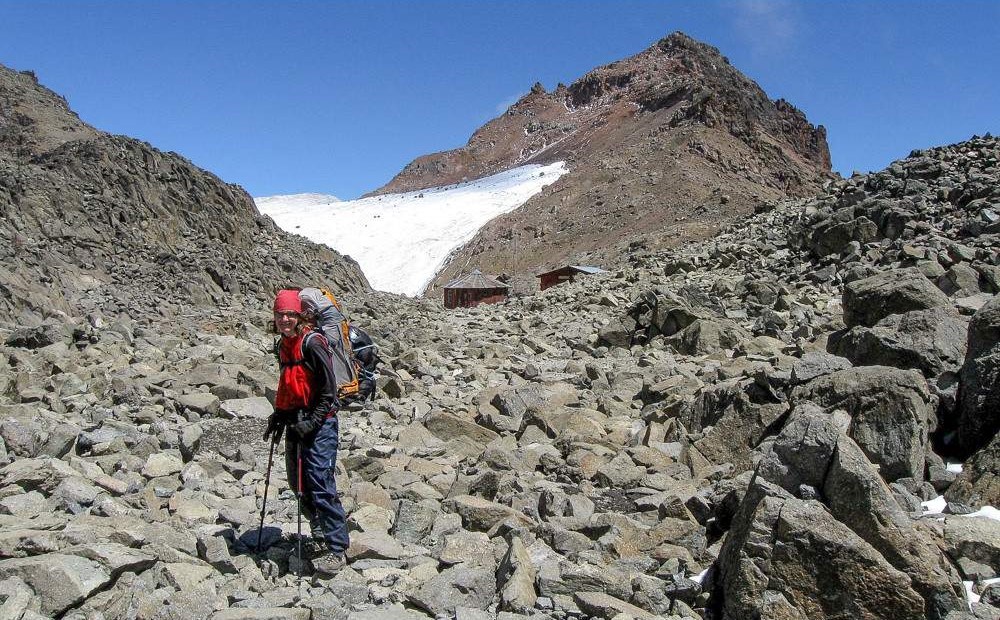
Mount Kilimanjaro stands as the continent’s tallest mountain and the world’s highest free-standing peak. Each year, it attracts thousands of climbers and adventurers from around the world. Ascending Mount Kilimanjaro feels like transitioning from a tropical climate to an arctic one in just a week. This journey poses a significant challenge due to its altitude and rapid ascent, yet it is incredibly fulfilling.
In 1987, Mount Kilimanjaro was designated a World Heritage Site by UNESCO due to its stunning natural beauty. The diversity of plant life and landscapes is breathtaking, thanks to the mountain’s unique location and great height. You encounter everything from lush rainforests teeming with monkeys and birds to the “Roof of Africa,” where glaciers and a magnificent snow-capped peak await. During a typical climb, you traverse one vegetation zone approximately every day and a half.
The excitement of standing at the peak of Mount Kilimanjaro after several days of trekking is incredible. From the summit, you are greeted with stunning vistas of the African savannah and Rift Valley. Ascending Mount Kilimanjaro is truly a once-in-a-lifetime adventure!
Climbing Mt Kilimanjaro
Are you dreaming of ascending Mount Kilimanjaro but unsure if you can achieve it? Although climbing Mount Kilimanjaro presents a challenge, prior climbing experience is not a requirement to summit. If you maintain good health and fitness, reaching the peak is certainly attainable. Our skilled and professional team is here to guide you safely to the top.
This is why 95% of our participants successfully reach the summit of Africa’s tallest mountain. There are various steps you can take to boost your chances of reaching the peak and ensure an enjoyable trekking experience. One key factor is investing in quality gear and conducting practice hikes in your home country a few months ahead of your trip. Since altitude sickness is the primary reason people are unable to summit, it’s crucial to take your time and allow your body to adjust.
Best Routes While Climbing Mt Kilimanjaro
There are seven distinct routes leading to the peak. Each one differs in terms of length, difficulty, views, crowd levels, lodging options, and various other factors.
- Machame Route
This is one of the most sought-after climbs because of the route’s variety and stunning scenery. You traverse from lush rainforests to the gorgeous Shira Plateau and the rocky lava slopes. The trail encircles the mountain, offering breathtaking views. A further benefit is the gradual ascent, allowing climbers ample time to acclimatize, which enhances the likelihood of success. The Machame route, commonly referred to as the “Whiskey route,” boasts an average to high success rate, particularly if you opt for the 7-day itinerary. This route is more affordable than many others, but its downside is that it tends to be quite crowded.
- Lemosho Route
This route is renowned for its diverse and stunning landscapes. The Lemosho route is also less busy with climbers compared to some of Kilimanjaro’s more traditional paths. While Lemosho is a pricier option, it allows climbers ample time for proper acclimatization. This route is both secluded and picturesque. It boasts a high success rate.
- Marangu Route
The Maranga route ranks as the second most favored and least expensive way to ascend Kilimanjaro. It is unique in that it employs the same path for both the ascent and descent while providing hut accommodations (camping is prohibited). Often referred to as the “Coca-Cola” route, this path is known for being one of the more accessible trails on the mountain. Although it is the shortest route to the summit, climbers have less opportunity to acclimatize, which contributes to a lower success rate. Unfortunately, Marangu lacks the scenic beauty of other trails and can become quite congested during peak seasons.
- Northern Circuit Route
The Northern Circuit is the longest route on Kilimanjaro and is considered one of the most stunning and enjoyable options. This route encircles the mountain, providing excellent views from every angle of Kilimanjaro. The success rate for reaching the summit is quite high, as the length of the route allows for ample acclimatization. This route is ideal for those who wish to fully appreciate the beauty of Kilimanjaro while having the time and resources to do so.
- Shira Route
This route offers beautiful views, but it comes with a high cost and challenging conditions. We recommend that only seasoned climbers opt for this route because of its elevated starting point, which provides less time for the body to adjust.
- Rongai Route
This path is ideal for more skilled climbers. Because the climb up and down occurs on different sides, climbers can view both aspects of Kilimanjaro. However, this extra transportation required to get to the other side increases the cost of the ascent. Rongai is known as one of the less busy routes, but it also tends to be drier and less picturesque.
- Umbwe Route
This route is recognized as the most challenging route on Kilimanjaro. Because of its quick elevation gain, the likelihood of reaching the summit is significantly reduced. We recommend that only seasoned climbers accustomed to high altitudes attempt this route.
Best time to climb mt. Kilimanjaro
You can climb Kilimanjaro at any time throughout the year, but optimal conditions for climbing Africa’s tallest mountain are generally from June to mid-March, excluding November. February stands out as the ideal month due to higher temperatures and minimal rainfall. The rainy season occurs from mid-March to June and from November. Nevertheless, some adventurers opt to trek Kilimanjaro in April or November since the trails are quieter and less crowded during those times.
This travel destination is offered by Mainson Safaris.